







Turun yliopiston ja Turun ammattikorkeakoulun yhteistyö merkitsee opiskelijoille entistäkin parempia mahdollisuuksia oppia, suunnata opintojaan ja rakentaa tulevaisuuttaan. Alueelle viesti on…
Tekijät | Authors
Beyond Sport: Why Athletes Have More to Offer in Sales Than Employers Realise
When an elite sports career ends, athletes do not leave empty-handed. Many carry valuable human capital into working life, but too often that potential remains unrecognised. Sales is one field where athletes may have far more to offer than employers realise.
When an athlete’s elite sports career ends, the sense of loss often extends far beyond competition. What often disappears at the same time is a whole way of life: routines, community, goals, identity, and sometimes even the social status that has shaped everyday life for years. That is why career transition is not just about getting a new job. It is also about rebuilding direction, meaning, and a professional identity outside sport.
At the same time, something important is often overlooked. Elite athletes do not leave sport empty-handed. They carry with them a form of human capital that can be highly valuable in working life, especially in sales, where resilience, self-leadership, social intelligence, and performance under pressure matter every day.
Athletes already have many of the strengths sales requires
Too often, former athletes are seen through what they seem to lack: industry-specific experience, a conventional CV, or a familiar career path.
But this view misses the bigger picture.
Elite sport develops many of the capabilities that strong sales professionals need. Athletes learn to work toward measurable goals, handle setbacks, stay disciplined, build trust, take feedback, and keep performing under pressure.
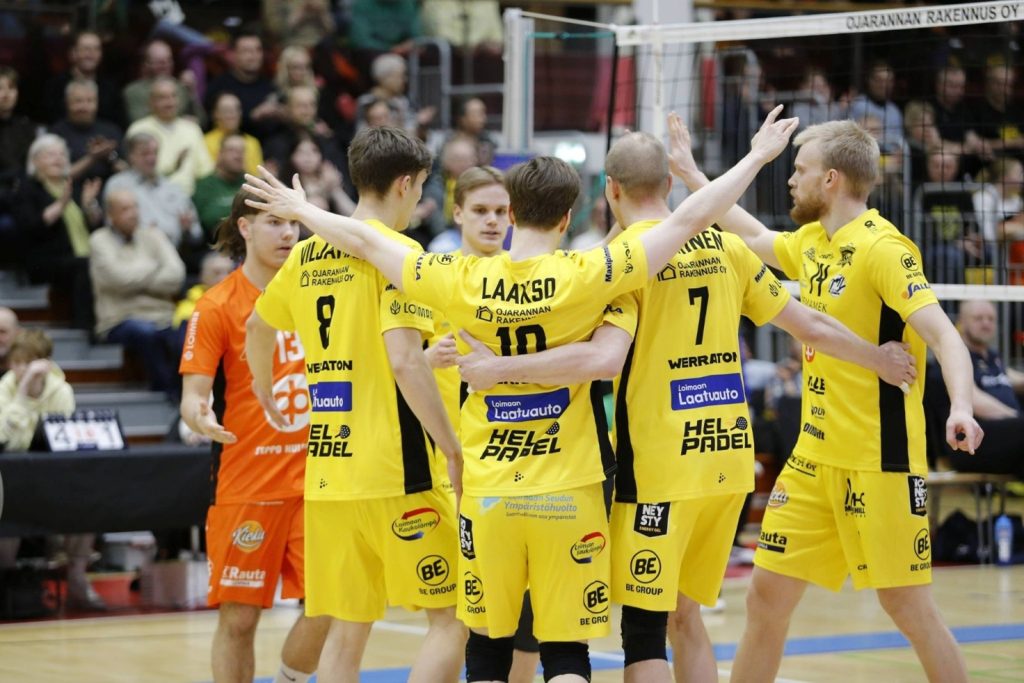
Picture 1. Athletes learn to work toward measurable goals, handle setbacks, stay disciplined, build trust, take feedback, and keep performing under pressure. (Hurrikaani-Loimaa)
Sales and sport have more in common than many think
The connection between sport and sales is stronger than it first appears.
In both worlds, performance is visible. In both, pressure is real. In both, people must deliver, adapt, and recover quickly from setbacks. And in both, long-term success depends less on excuses than on the ability to continue, learn, and improve.
The sales-transition manuscript we have been developing supports this view. It suggests that sport can build forms of psychological capital such as resilience, self-efficacy, hope, and optimism. These are highly relevant in business roles, including B2B sales. It also points out that team-sport athletes are used to environments where strategy is shared, execution is personal, and accountability is constant.
That is one reason a serious sport background should not be treated as a decorative detail at the end of a CV. It often signals something much more important: a person who knows how to prepare, compete, recover, take feedback, and keep going when things do not work immediately.
The real challenge is translation
The problem is rarely a lack of ability. More often, athletes’ competence remains invisible. I have seen this in practice. In one discussion with a former NHL player, I helped him recognise how much his sporting career had developed his interpersonal and negotiation skills. He had dealt for years with coaches, managers, teammates, role changes, conflict situations, and constant performance feedback, but he had never thought of these experiences as business-relevant capability.
Athletes have transferable competence, but they do not always know how to describe it in business terms
The same paradox appears in recruitment. Employers say they want people who are resilient, driven, collaborative, and adaptable. Yet former athletes are still sometimes screened out because their CV does not fit the expected template.
Working life is looking for qualities that athletes often possess in abundance, yet those qualities are not always recognised on either side of the table.
Team sport builds commercial value too
Sport does not only develop discipline or mental toughness. It also builds social capital.
Team sports teach people to understand roles, read others, build trust, and work toward a shared goal. They teach how to function in diverse groups, manage hierarchies, and stay effective in emotionally charged situations.
Team sports teach relevant abilities in sales
The best salespeople are not simply persuasive. They are good at listening, reading situations, adjusting their approach, and making other people feel understood. Many athletes have practiced these skills for years without ever naming them that way.
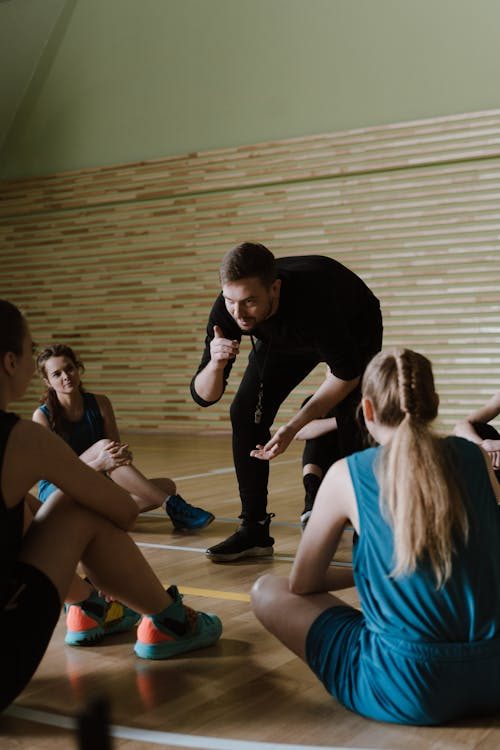
Picture 2. Many athletes have practised sales skills for years without ever naming them that way. (Pexels)
Transition is also an identity issue
Still, it would be a mistake to reduce athlete transition to employability alone.
For many former athletes, the hardest part is not finding work. It is losing the sense of who they are.
Elite sport offers immediate feedback, visible goals, and a clear place within a community. Working life is usually less structured and less emotionally intense. That is why the transition can feel confusing even when a new job is found quickly.
Athlete transition is not only about helping someone get hired. It is also about helping them rebuild confidence, direction, and identity in a new environment
This is also why support matters so much. Athlete transition is not only about helping someone get hired. It is also about helping them rebuild confidence, direction, and identity in a new environment. ATTACH-U frames this clearly by linking athlete transition not only to employability, but also to identity loss, mental health, and social inclusion.
Support should begin before the career ends
One of the biggest problems in athlete transition is timing.
Preparation often begins too late. During the active career, all energy understandably goes into training and performance. In many sport cultures, even talking about life after sport may be interpreted as a lack of commitment.
But preparation does not reduce commitment. It strengthens it.
In our current research project, linked to ATTACH-U and based on a broad set of interviews with former elite athletes, one theme comes up again and again: athletes have transferable competence, but they do not always know how to describe it in business terms. ATTACH-U, which is co-funded by the Erasmus+ Sport programme, identifies the same challenge in its needs analysis. Retiring athletes often struggle to make their skills visible in professional settings, even when they clearly possess resilience, leadership, teamwork, and persistence.
This is one reason ATTACH-U matters. The project was designed to support retiring athletes through structured mentoring, peer support, tailored learning pathways, and practical transition tools. It focuses especially on athletes nearing the end of their careers and develops concrete routes into entrepreneurship, coaching, and B2B sales.
For Turku University of Applied Sciences, sales is a particularly important part of that work. Our main responsibility within ATTACH-U is to help develop and pilot a business-oriented pathway that supports athletes’ transition into sales roles.
Sales is an area where many of the capabilities built in elite sport can become real professional strengths. Persistence, discipline, relationship-building, confidence, and competitive drive all matter there.
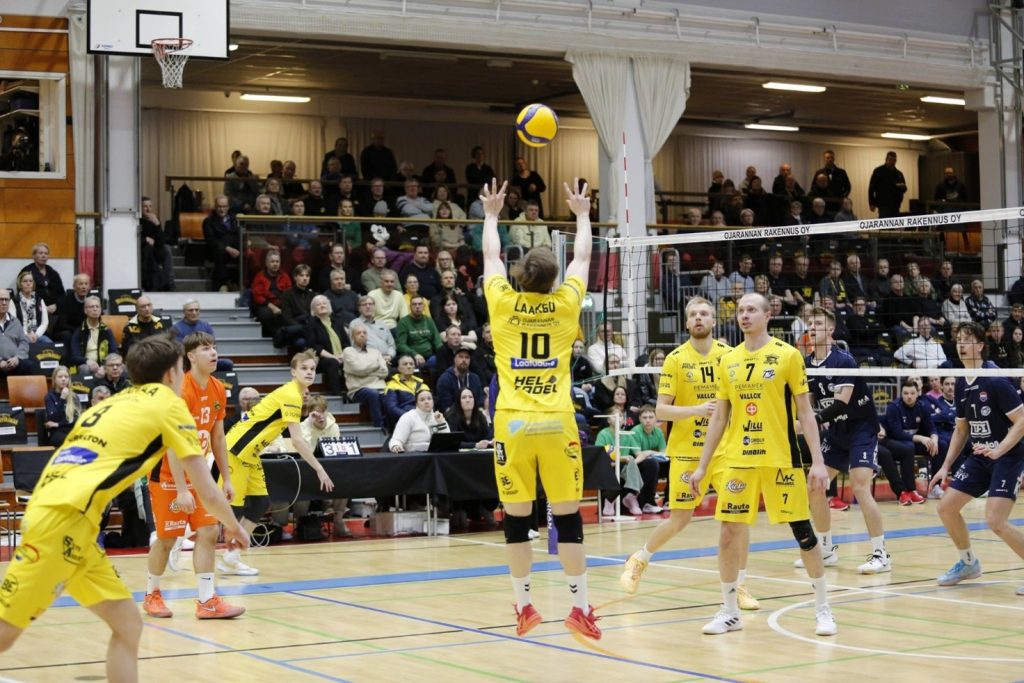
Picture 3. Athlete career transition is not only about helping someone get hired. It is also about helping them rebuild identity in a new environment. (Hurrikaani-Loimaa)
Sport builds strengths, but they still need adaptation
It is also important not to romanticise sport too much.
Sport does not only build useful qualities. It can also teach patterns that need adjustment outside sport. Extreme persistence, for example, may become harmful if it turns into overwork or an inability to stop.
That is why good transition support is not about glorifying sport. It is about helping former athletes recognise which parts of their sporting mindset are valuable in a new field, and which parts need reframing.
The strongest sport-background professionals do not simply carry the logic of sport into business unchanged. They adapt it.
The game ends, but the capital remains
When an athlete retires, something big does end.
At the same time something valuable remains.
Years in elite sport can build human capital that deserves to be taken seriously beyond sport, not only in coaching and entrepreneurship, but also in commercial roles such as B2B sales. The task now is to make that capital visible.
Years in elite sport can build human capital that deserves to be taken seriously beyond sport, not only in coaching and entrepreneurship, but also in commercial roles such as B2B sale
Perhaps the most important question is not what an athlete loses when the career ends.
Perhaps it is what they already carry with them into whatever comes next.
Author
Arto Kuuluvainen, DSc (Econ.), is a senior lecturer at Turku University of Applied Sciences whose work focuses on B2B sales, sports marketing, and athlete career transitions. He also serves on the board of the Finnish elite volleyball club Hurrikaani-Loimaa.
Project note
Experts at Turku University of Applied Sciences currently have several academic papers underway related to athletes’ career transitions, based on a broad interview dataset of former elite athletes.
This article is connected to the ATTACH-U project (Athletes’ Transition Tools for Achieving Horizons), which supports athletes’ transition to life after sport through mentoring, learning, and practical career pathways in entrepreneurship, coaching, and B2B sales.
Within the project, Turku University of Applied Sciences has a particular responsibility for developing the B2B sales pathway. ATTACH-U is implemented by Turku University of Applied Sciences (Finland), the University of Münster (Germany), Norges idrettshøgskole / Norwegian School of Sport Sciences (Norway), and Sport Ireland (Ireland), together with associated partners Jalkapallon Pelaajayhdistys ry (Finland), Allgemeiner Deutscher Hochschulsportverband EV (Germany), Neste Steg Norge AS (Norway), Norges idrettsforbund og olympiske og paralympiske komité (Norway), and Norges Skiforbund (Norway).
ATTACH-U is Co-funded by the European Union. Views and opinions expressed are however those of the author(s) only and do not necessarily reflect those of the European Union or the European Education and Culture Executive Agency (EACEA). Neither the European Union nor EACEA can be held responsible for them.
Artikkeli on osa Myynti ja B2B-liiketoiminta -tutkimusryhmän julkaisuja.