





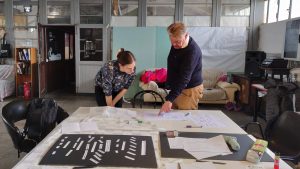
Tässä artikkelissa tarkastelen, millaisia organisaatiotason muutoksia voidaan tunnistaa nelivuotisen Professional Media Presence -hankkeen loppuvaiheessa. Turun ammattikorkeakoulun Taideakatemian koordinoima Professional Media…
Tekijät | Authors
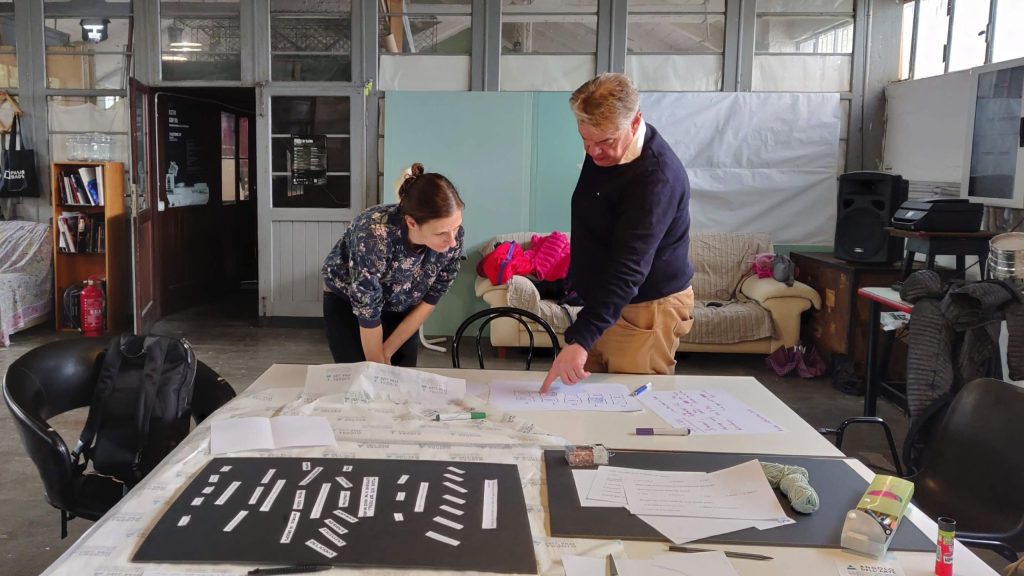
From outcomes to lasting change – Organisational impact of an international cultural project
In this article, I examine what kind of organization-level changes can be identified in the final phase of the four-year Professional Media Presence project. Professional Media Presence (PMP), coordinated by the Arts Academy of Turku University of Applied Sciences, is a Creative Europe-funded project. Its goal is to support artists’ digital presence and professional identity in a media-centric operating environment. PMP will end in January 2027. The central question of the article is: what is left of an international cultural project after the last event has been organised and the last output has been published?
”In addition to the concrete results, one of the most valuable effects of the project was the growing relationships, inspiration and confidence during the collaboration. We are grateful to have been part of such a meaningful European collaboration.” (PMP IAS, 2026)
The results of RDI projects are often described with the help of outputs, events and the number of participants. However, changes arise alongside them that are more difficult to detect and measure. The lessons learned in the project can change the organisation’s competence, working methods, networks, target groups and strategic choices. Some of the changes are already visible during the project, but their permanence can only be assessed later.
The partner network of the Professional Media Presence project consists of two higher education institutions (Turku University of Applied Sciences, Lapland University of Applied Sciences), four associations (Prisms, Culture HUB Croatia, Youth for Equality, Urban Peripezias) and one creative company (Espronceda). The organisations are located in five different European countries. Three out of seven organisations had not previously been involved in a Creative Europe-funded project. However, all partner organisations had previously or simultaneously carried out several EU-funded projects, mainly in a partner role.
The partner organisations of the Professional Media Presence project are quite different from each other in terms of size, operating methods and culture. Prisms from Malta and Youth for Equality from Slovakia had not worked with art or artists before the project. The cooperation has brought new contents, working methods, networks and operating models to their activities.
The different structures and operating cultures of the organisations participating in the project have made visible cultural differences related to international cooperation, project management and creative work management. For example, the Italian Perypezye Urbane is an art association representing contemporary dance that employs two people, and whose expertise focuses especially on contemporary dance and performing arts productions and the development of the operating conditions of the field. The largest organisations are higher education organisations with several hundred employees whose project processes are polished and systemic. In international RDI projects, a common operating method must be found for the implementation and management of the project. Problems may arise from the use of communication tools that are unfamiliar to the partner organisation, meeting practices, work schedules or, for example, the unsynchronized nature of summer holidays across Europe.
As the four-year Professional Media Presence project approaches its conclusion in January 2027, it is timely to shift the focus from the content delivered to what the collaboration has meant for the participating organisations. Based on the survey data collected for this article, it can be observed that the longest-term organisation-level value of an international cultural project does not necessarily arise from individual outputs, but from how the competence strengthened during the project, the expansion of networks, the re-examination of operating methods and trust in working together are rooted as part of the organisations’ normal operations.
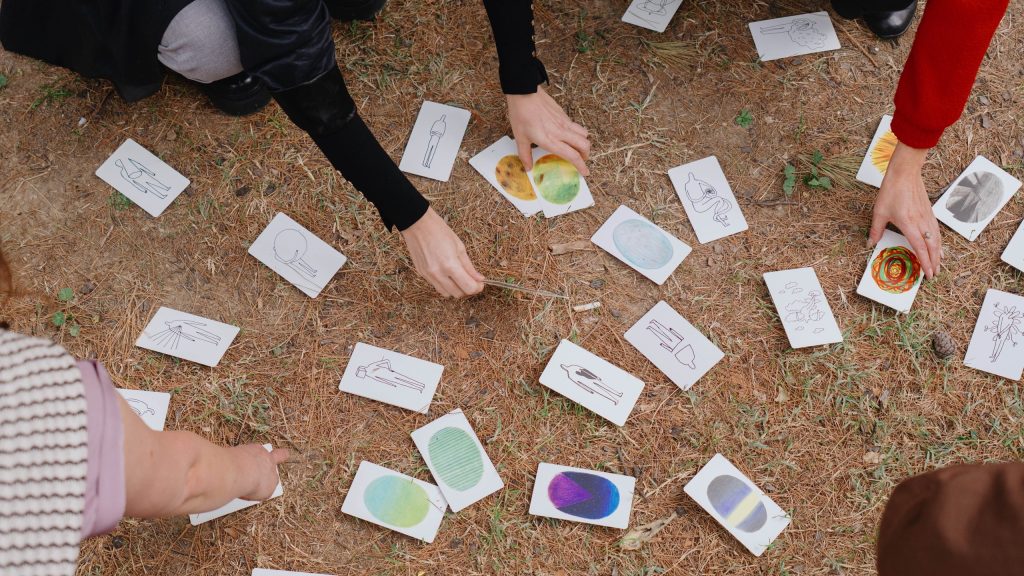
Professional Media Presence, 2025.
Outcome or impact
In RDI projects, impact is of great importance throughout its life cycle. It is not just a question of impact analyses prepared for the funder or the implementation of quantitative and qualitative indicators to be monitored. Impact is also related to individual and organisation-level experiences and measurable results of what has been achieved through project activities and what kind of longer-term measures aimed at more permanent change have been introduced as a result of them. In this article, the focus is specifically on organisational impact, which refers to changes brought about by a project that have taken root or can be justifiably estimated to be rooted as part of the organisation’s normal operations, strategic priorities, networks or operating culture.
In this article, outcome refers to a change that is quite closely related to the project’s activities. Impact, on the other hand, refers to the broader, long-term or more established significance of the change.
In research, development and innovation (RDI) activities, the concepts of outcome and impact are close, but they describe different levels of change. The separation between outcome and impact can be structured using an impact pathway, in which inputs and outputs progress to outcomes and further to broader impact (Lamberg & Forma, 2023). In impact pathway thinking, outcomes are located closer to the implemented activities, while impact often only becomes apparent in the longer term. In addition, impact is usually not created as a result of a single project, but through the combined effect of research data, actors and other factors. (Aistrich, 2014; Taajamaa, 2022).
Survey data for the article
The findings presented in the article are based on the responses to a survey conducted for the article among representatives of the seven partner organisations of the Professional Media Presence project, the project’s regularly collected internal evaluation data, and the author’s own observations and notes created during the project. The results cannot be generalised to all Creative Europe projects, but they can be viewed in relation to research and evaluation data on the organisational impact of cultural projects.
The most important material used here is the responses to the survey prepared for the article (PMP Impact Article Survey, 2026). From the point of view of the analysis, it should be noted that the project implementers themselves assess the outcomes and impacts of the project. For this reason, the responses may focus on positive experiences, and the permanence of all changes cannot yet be demonstrated.
All seven organisations responded to the survey, including Turku University of Applied Sciences as the coordinator of the project. Each partner organisation was asked to give one joint response. However, it is not possible to conclude from the data how many people’s views each organisation-specific response collects. The author did not respond to the survey, but in the case of Turku UAS, the survey was answered by the experts responsible for the content of the project.
The original material is in English. The quotes are presented anonymously, and they are marked with the abbreviation PMP IAS 2026. The survey included multiple-choice and open-ended questions. Recurring themes were identified from the open-ended answers, such as competence, networks, working methods and strategic-level changes in the organization’s operations.
Individual and organisational outcomes of the project
As there are still a few months left of the Professional Media Presence project, it was easier for the respondents to consider the direct outcomes of the project than the longer-term impact. Next, it will be examined what kind of changes and outcomes have already been created during the project at the individual and organizational level. Based on the responses, the effects are related to the growth of competence, the creation of networks, learning new operating models and increasing international visibility.
Co-learning and networking
The first multiple-choice question of the main material of the article, i.e. the PMP Impact Article Survey (the possibility to choose several answer options), was related to what the respondents felt was the most significant and/or interesting thing about participating in the project. Five out of seven organisations chose co-learning and networking with European colleagues as the most significant experience. The responses also emphasised getting to know artists and art forms, as well as strengthening Creative Europe project expertise.
The strengthening of the organisation’s international profile through the project was considered significant. Lapland University of Applied Sciences emphasised the strengthening of both local cooperation and international cooperation opportunities, which has brought international visibility and cultural exchange to the Lapland region. This perspective is also supported by a broader EU study, which mentions the strengthening of the role of organisations in local ecosystems as one of the key partner outcomes (FORMIT, 2025).
Strengthening competence
The respondents to the PMP Impact Article Survey 2026 were asked to analyse how the project has strengthened competence at both the individual and organisational level. At the individual level, there was an increase in competence especially in how international cooperation is built and maintained, how different perspectives and (organisational) cultures are taken into account, and how it is important to make compromises and how it is essential to relate problems to the international context.
”On an individual level, one of the most significant lessons learned was to work effectively in an international and multidisciplinary environment. The project strengthened skills in communication, coordination, project management and collaboration with artists, cultural professionals and partners from different European countries. It also provided valuable experience in leading a long-term Creative Europe project and how art can contribute to social inclusion and community participation.” (PMP IAS, 2026)
At the organisational level, the PMP project demonstrated the importance of strong international partnerships, flexibility and peer learning. The responses highlighted how cooperation between the partners enabled the exchange of good practices and learning new things. At the organisational level, the project has strengthened the competence of several partners in participatory methods, international cooperation and project management.
Several publications produced by the EU on Creative Europe funding and evaluating funded projects highlight the same themes: external RDI funding strengthens the operational capacity of organisations, creates long-term partnerships and professionalises smaller organisations. In addition, the organisational impact of the projects is reflected in increased growth in administrative and strategic competence. (A decade of Creative Europe, 2025; Carta & Mateeva-Kazakova, 2024; FORMIT, 2025)
Critical self-reflection can also be read in the open responses to the survey commissioned for the article. Two responses highlighted that the PMP project has shown the need for a stronger internal project work structure within the organisation. This involves, for example, a more precise division of tasks and responsibilities. In addition, it was observed that resources should also be invested in the administrative management of the project in future RDI projects, not just in artistic production.
From outcomes to future readiness
The responses to the survey commissioned for the article also highlighted observations on what kind of lessons the PMP project’s partner organisations will take with them to future project preparations and project work. The responses emphasised the importance of maintaining and deepening international partnerships and relationships. In addition, it was mentioned that thanks to the growth of expertise created by the Creative Europe project, the organisation has the opportunity and genuine interest to expand its target groups to artists permanently in the future.
”One of the most significant long-term impacts is the creation of new contacts and networks that will benefit both our educational activities and research, development and innovation (RDI) work in the future. These connections open up opportunities for new joint projects and continuous international exchange.” (PMP IAS, 2026)
Towards more permanent organisational changes
Based on the survey directed at the partners of the Professional Media Presence project and the author’s own observations, a more permanent impact can also be seen in the project. Next, signs are highlighted that some of the changes may become established as part of the operations of organisations. These organisational impacts, which already foreshadowed the establishment, were related to the establishment of new target groups, the permanent utilization of international networks, changes in operating methods, the development of project management structures, and the growth of strategic competence.
New target groups and content
Based on the responses to the survey data in the article, some of the changes have already been implemented during the project. For an organisation that has not previously worked with artists, the PMP project brought with it new artistic forms, perspectives and collaboration methods, which are believed to remain a permanent operating model. In addition, the exchange and cooperation between the project staff and the artists involved in the project was emphasised, thanks to which the organisation learned a lot from the artists and they were able to get close to the difficulties and concerns faced by the artists.
”[…] We learned the importance of creating safe and inclusive spaces where artists and young people can strengthen their professional digital identity and media visibility, especially on a small island where visibility and networking are essential. The project also highlighted how creative media tools, exhibitions and international collaboration can significantly increase engagement, empower participants to present their work professionally, and strengthen the accessibility and impact of the organisation, both locally and in Europe.” (PMP IAS, 2026)
Changes in working methods
The responses to the survey conducted by the author indicate that several partner organisations of the Professional Media Presence project have already changed their working methods during the project and believe that these changes will remain permanent practices. Among other things, the PMP project has encouraged people to adapt to different working methods and to adapt the organisation’s own activities to the needs of artists and disadvantaged groups.
In addition, the need to change and develop processes related to the project management of one’s own organisation was emphasised, to strengthen the understanding of cooperation between different cultures, organisations and professional competence levels (capabilities), and to deepen working methods that support communication, planning and project coordination with international partners, in particular.
The responses to the survey commissioned for the article also reflected the need to divide roles more clearly within one’s own organisation and to clarify who is responsible for which area. Involving trainees and stakeholders in the project in different ways was also considered an important lesson.
”International projects […] have strengthened our understanding of collaboration between different cultures, organizations, and professional backgrounds. We have learned how people from different contexts work, communicate, and create together, which has strengthened our own collaboration practices and flexibility in international collaboration.” (PMP IAS, 2026)
Criticism was that the working methods and processes of a large higher education institution (in this case, Turku University of Applied Sciences) do not always fit in with the processes of small actors. In addition, it was mentioned how the coordinator’s operating processes do not necessarily reflect the creative and artistic nature of the project. This is an interesting observation from the perspective of RDI work. As a common learning challenge, we could consider how we can maintain efficiency and flexibility in projects in the future that involve remarkably small actors with the most limited resources and the narrowest opportunities for action. It is important to understand creativity as part of resilient and sustainable project management and to strengthen internal project management processes through shared learning experiences.
Professional Media Presence, 2025.
Conclusion
Based on the survey data, the evaluation data of the project and the author’s own observations, the Professional Media Presence project has generated a wide range of outcomes in organisations as well as signs of changes that have the potential to become more long-term organizational impact.
The case of the PMP project shows that the most significant outcomes of international cultural projects are not necessarily limited to the concrete outputs of the project. The project has contributed to strengthening the general project expertise of the participating organisations, increasing peer learning of new operating models and streamlining internal processes. Further impact on the individual and organisational level can also be observed. In particular, the growth of expertise related to internationalisation, the increase in Europe-wide networks and new types of target groups were themes in which a more long-term and deep-reaching impact is already visible.
”One of the key insights from the PMP project was the value of trust-based international collaboration and learning through shared experiences. Working with partners, artists and communities from all over Europe created a unique environment for the exchange of ideas, perspectives and working methods.” (PMP IAS, 2026)
The above description of the partner summarises what organisational impact means in practice in this project:
in the end, the ability to learn together, identify new target groups and build international cooperation based on trust may prove to be more important than new skills.
The Professional Media Presence project is coordinated by the Arts Academy of Turku University of Applied Sciences.
The PMP project is part of research group Art Education and Art Pedagogy.
The project partners are Lapland University of Applied Sciences and Prisms, Malta; Culture HUB Croatia, Croatia; Youth for Equality, Slovakia; Perypezye Urbane, Italy and Espronceda, Spain.
Read more about the events and materials of the PMP project on the PMP project website.
The writer Emma Uotinen is the administrative project manager of the Professional Media Presence project.
Quotes are from PMP Impact Article Survey 2026.
Photos: Professional Media Presence 2024 & 2025
Sources
Research data
Uotinen, E. (2026). Survey data PMP Impact Article Survey (PMP IAS, 2026). The data is in the possession of the author. The data is not public.
Management Evaluation Reports of the PMP project for 2023–2026, a total of six. Data collector and author of the reports Youth For Equality. The data is in possession of the project. The data is not public.
Literature
Aistrich, M. (2014, 3 March). Kannattaako vaikuttavuutta yrittää mitata? Sitra.
A Decade of Creative Europe – Final & Mid-term Evaluation (2025). Ecorys & KEA European Affairs for the European Commission.
Carta, C. & Mateeva-Kazakova, M. (2024). Mapping Cultural Projects and Partnerships in EU External Relations. European Economic and Social Committee.
Evaluating the Impact of the Creative Europe Programme in Cities and Regions (2025). Fondazione FORMIT for the Committee of the Regions.
Kuula, M. & Kelkka, T. (2024, 14 June). Ammattikorkeakoulujen TKI-toiminta yhteiskunnallisen muutoksen mahdollistajana. Laurea Journal.
Lamberg, A.-R., & Forma, L. (2023, 20 November). Development of project evaluation practices is progressing – what did we learn from the workshops? Laurea Journal.
Taajamaa, L. (2022). Tiede yhteiskunnan rakentajana. Tilastollinen tarkastelu tutkimuksen laajemmasta vaikuttavuudesta Suomen Akatemian hankeraporttien pohjalta. Suomen Akatemia.